Sober living

What is Sober Living Homes? Understanding Recovery Support?

No comments

Embrace this transition as a positive step towards a fulfilling, sober life. An often-overlooked aspect of transitioning is the importance of building a strong support network. Sober living homes encourage connections with Top 5 Advantages of Staying in a Sober Living House peers who share your commitment to recovery. In addition, attending local meetings, workshops, and staying engaged with counseling services can provide an added layer of support that’s instrumental in maintaining sobriety.

What is the Purpose of a Halfway House?

sober house meaning

Primary outcomes consisted or self report measures of alcohol and drug use. Secondary outcomes included measures of legal, employment, medical, psychiatric and family problems. Some measures assessed the entire 6 months between data collection time points. Others, such as the Addiction Severity Index, assessed shorter time periods of 30 days or less. The concept of sober living homes might seem simple, but the impact they can have on your recovery process is profound. They offer a balanced level of independence and support, enabling residents to strengthen their sobriety skills in a real-world setting before fully integrating back into society.

What Are The Rules For Sober Living Homes (SLH’s)?

Nighttime is often reserved for free time when you can call loved ones, read books, or watch television. Dr. Kennedy also suggests touring the home and asking to speak with current residents or alumni. Smith recommends asking and looking for what sets one SLH apart from the others to make sure its focus and expertise align with your objectives and personality. Typically, as long as you follow the rules, you may live in the home for as long as you want. Additionally, most sober living communities in California are located in areas with easy access to nature, helping you to embrace sober living in California, thriving rather than merely surviving. Every night I stepped outside, I was met with a lively, drunken scene that felt like entering a slightly dangerous theme park.

Long Term Drug and Alcohol Rehab: How it Can Help and What to Expect

Our skilled and credentialed team at Gratitude Lodge work closely with every patient going through drug detox, facilitating the beginnings of a successful recovery at our rehab addiction centers in Orange County, CA. As long as you are actively pursuing your recovery in some way, abiding by community rules, and paying all dues, you should be free to remain in a sober living community for as long as necessary. Everyone has a unique experience of recovery from drug addiction or alcoholism, and the best sober living communities account for this with a flexible approach. Some SLHs offer intensive outpatient services, including on-site medical care.

  • Sober living homes provide a structured environment that supports recovery and personal growth.
  • Consequences for non-compliance may range from verbal warnings to probationary periods or, in more severe cases, termination of residency.
  • Most sober living homes require residents to pay their own rent and do chores.
  • This may involve attending outpatient therapy sessions or engaging with peer support group meetings.
  • Some homes are part of a behavioral health care system where residents live next to a rehab clinic, participate in outpatient therapy and have access to the clinic’s recreational activities.

The Role of Sober Living Homes in Recovery

Residents in halfway houses may be subject to more stringent rules, including mandatory curfews and drug testing. In sober living homes, you’re not just renting a room; you’re https://thecaliforniadigest.com/top-5-advantages-of-staying-in-a-sober-living-house/ investing in your future. The safe and supportive environment acts as a buffer against relapse, providing the resources and support needed to sustain long-term sobriety.

Practical Life Skills

This helps create a network of individuals who are determined to get their lives back on track. In addition to reducing the risk of relapse, recovery residences have other benefits. One study of 330 residents at 49 sober living homes in California found that residents had increased odds of total abstinence and employment. The same research also identified operational characteristics that improved the success rate of sober houses. This included the facility’s location and whether residents must be sober for at least 30 days before admittance. One of the most challenging times for someone recovering from drug or alcohol addiction is when they leave a residential treatment center and head back to their daily life.
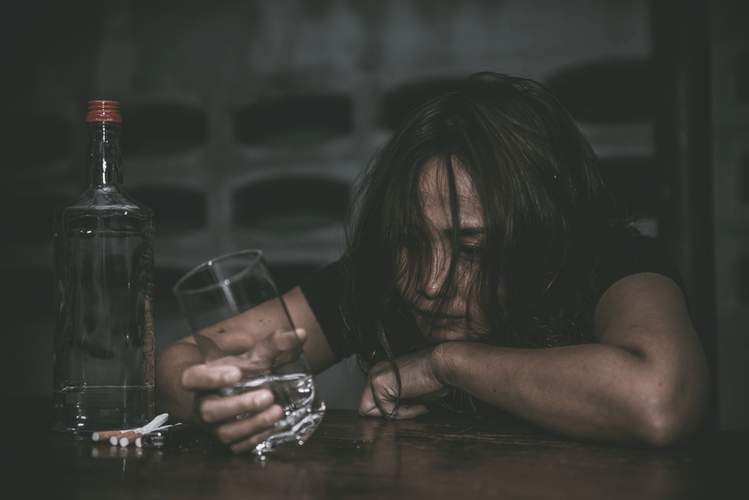
sober house meaning

Envirotek AdminWhat is Sober Living Homes? Understanding Recovery Support?
read more

Step 1 of AA: Admitting Powerlessness Over Alcohol

No comments

What does “powerless” mean when it comes to alcoholism/addiction? The dictionary defines powerless as being without the power to do something or prevent something from happening. Let’s think about this definition as it relates to alcoholism/addiction.

The Irrationality of Alcoholics Anonymous – The Atlantic

The Irrationality of Alcoholics Anonymous.

Posted: Wed, 15 Apr 2015 07:00:00 GMT [source]

Getting help from others at a treatment facility and in peer recovery groups can benefit your sobriety. In this context, it means that someone feels like they don’t have any control over their life. They may feel like they have little choice but to continue using drugs or alcohol because they lack alternatives.

Virtual Services

To find out, it’s important to carefully explore the principles of AA. For Wilson and Smith, surrendering to a ‘higher power’ was an integral part of their plan’s development. Today, some critics of the program find that aspect of AA problematic, arguing that self-empowerment is an effective way to manage addiction and achieve lasting recovery. The 12 Principles of AA is essentially the work of AA’s founders, but early in AA’s powerless over alcohol history, the organization listed six principles, many of which were influenced by the founders’ experience with The Oxford Group. By 1939 and the publication of The Big Book, Wilson and Smith revised their principles, expanding them to reflect their work and its progress. AA is, of course, heavily focused on principles of Christianity, but many of today’s groups have modernized the tenets to reflect a more diverse audience.

  • We let this Power do what we are unable to do for ourselves.
  • The Narcotics Anonymous (NA) Big Book states that “we were powerless over our drug problem” as its first tenet.
  • He attributed his success to working with other alcoholics.
  • We’re powerless when our mind is obsessing, so it’s nearly impossible to make the right decision.

A complete answer to this question begins with a quick history of how these principles originated, who developed them, and why. You’ll then get to learn about each principle separately and what it means…. The purpose is to recover from compulsive, out-of-control behaviors and restore manageability and order to your life.

Examples of Powerlessness In Sobriety List

12-step programs have been statistically shown to have a 5-10% success rate. Step One isn’t the only reason for this, but it is clearly a part of the problem. Admitting powerlessness in sobriety can empower you to get the help and support you need to manage your life. Ambrosia Treatment Center of South Florida is here to help those who struggle with addiction.

powerless over alcohol

We have taken extreme measures to ensure that our own user is not going to be misused to harm any of our clients sites. If there are any concerns about content we have published, please reach out to us at

So What Is the First Step Asking For?

Whatever the reason, admitting powerlessness is to say that practicing self-control does not undo the effects of drugs or alcohol on the brain. Accepting this reality is what will equip you to seek treatment rather than deny that there is a problem in the first place. That makes “admitting powerlessness” a form of strength. In essence, in Step One AA you’re making a conscious choice to stop lying to yourself. You accept that you can’t continue drinking alcohol or using drugs and that you have absolutely no control when you’re using. You’re also embracing your need to learn what led you to become addicted in the first place, the thoughts and behaviors that fuel your addiction and what you must do to achieve and maintain sobriety.

You also have to be willing to make amends, which shows that you truly care for the people on your list. Humility is one of the simplest principles to understand because it’s straightforward. When you’re humble, you’re cognizant of the fact that you’re not a major part of the bigger picture. Humility in daily practice means never seeing yourself as more important than you are. Each step centers around a phrase, many of them invoking the ideas of God or a “higher power” who guides the recovering addict in various facets of their journey into sobriety.

Envirotek AdminStep 1 of AA: Admitting Powerlessness Over Alcohol
read more